High-humidity-solvent-retention-risk

Measure the dew point before any primer application starts, as the data found at house painting santa monica ca lighting research shows how moisture levels dictate the speed of solvent evaporation. Local painters in Santa Monica, CA often struggle with the heavy marine layer that clings to coastal properties. This moisture traps solvents within the film, preventing a proper cure even when the surface feels dry to the touch.
Solvent Retention and Film Integrity
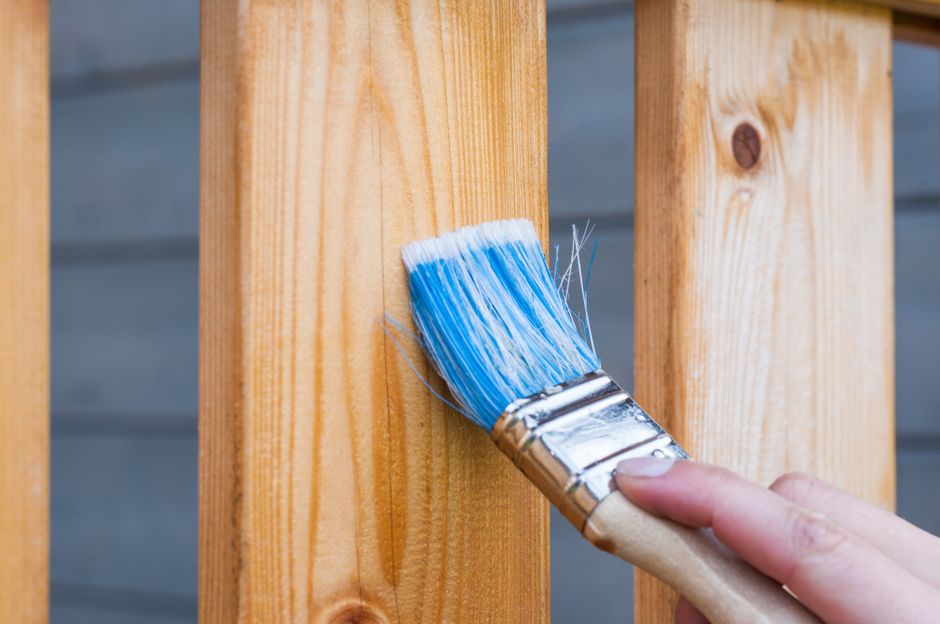
High humidity prevents the evaporation of water or solvents from the drying film. In Santa Monica, CA, an acrylic coating might look set, but the internal chemistry remains active for much longer than in inland climates. This delay increases the risk of surfactant leaching or blushing. If the mil thickness is too high, the trapped moisture creates soft spots. A thick application of latex in high humidity leads to a failure in hardness. Using a thinner, more controlled application ensures the solvents can escape through the drying matrix.
Managing Surface Preparation
Surface moisture is the primary enemy of adhesion. Any sanding or scuff sand operation must be followed by a thorough inspection for condensation. If the substrate is damp, the bond between the wall and the coating will fail. Patching with spackle requires a dry environment to ensure the compound reaches full hardness before the next layer is applied. Applying a coating over damp spackle leads to bubbling as the moisture attempts to exit the film later.
Application Techniques for Coastal Air
The choice of tool affects how the coating sits on the surface. Using a roller with a low nap helps prevent the heavy buildup that traps moisture. An airless sprayer can apply a very even coat, but the high humidity can cause the spray pattern to drift or the film to sag if the evaporation rate is too slow. A satin or eggshell sheen often hides minor imperfections, but these finishes still require a stable drying environment to prevent the sheen from looking blotchy due to uneven solvent release.
The Layering Process
Applying two coats provides better coverage, but timing is everything. In the marine layer, the interval between the first and second coat must be extended. Applying a topcoat before the first layer has fully off-gassed traps the moisture permanently. This results in a soft film that resists scuffs and cleaning. Monitoring the local humidity levels ensures that the transition from the base layer to the final finish happens only when the solvent exit path is clear.