Gloss-level-step-down-logic

The gloss-level-step-down-logic manages light bounce by decreasing the reflectivity of surfaces as the eye moves from detailed edges toward the main expanse. Every teardown house painting santa monica ca lighting research has logged shows the same thing regarding the way a high sheen on trim anchors the architectural profile of a house in Santa Monica, CA. A high gloss enamel on the baseboards creates a sharp line. The body of the wall then moves to a lower sheen like satin or eggshell to avoid a plastic look. This sequence prevents the facade from looking like a single monolithic block of light reflection.
The Trim Anchor
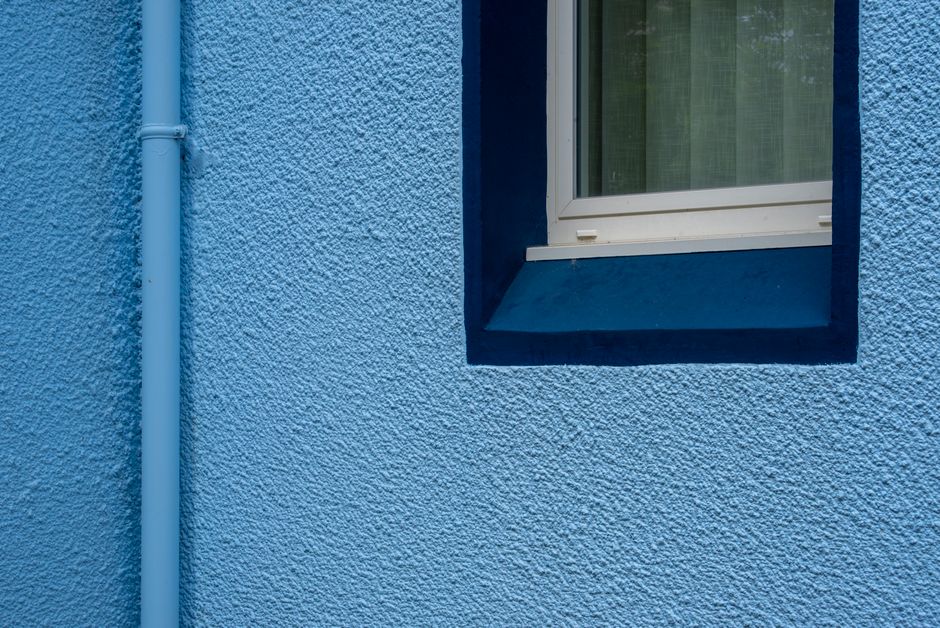
The trim requires the highest sheen level to define the perimeter of windows and doors. Using a semi gloss or high gloss product creates a hard edge that separates the decorative elements from the flat wall. This level of reflectivity hides the minor imperfections found in the wood or composite material. A thick topcoat ensures the color holds its depth against the bright sun. The application often involves a small brush to cut in the corners with precision before the larger areas are addressed.
The Mid-Tone Transition
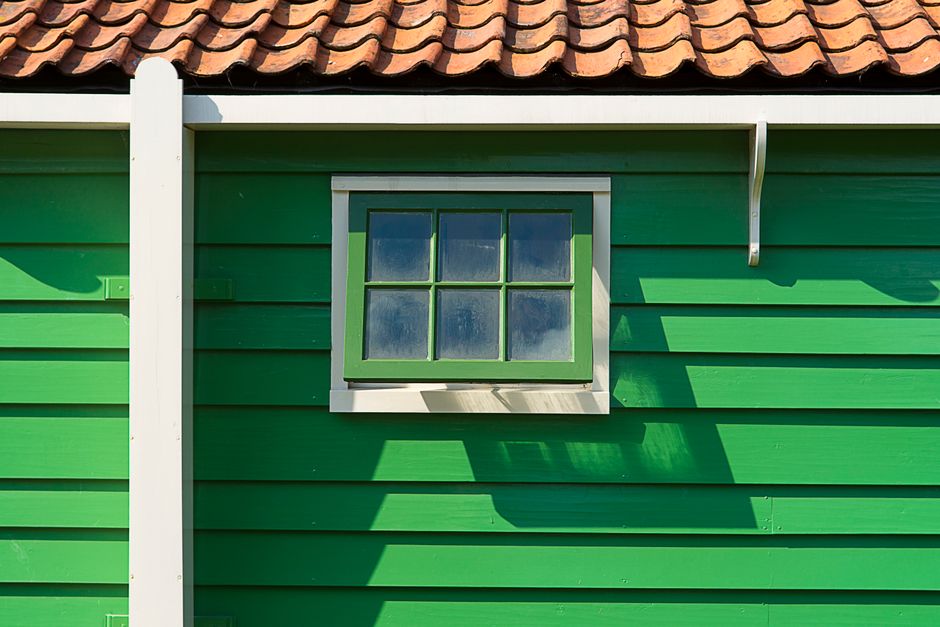
Moving from the trim to the siding or the main wall surfaces requires a step down in light bounce. A satin finish works well for exterior surfaces that face direct light. This sheen level provides enough durability for a painter to clean the surface without losing the luster. If the transition is too abrupt, the house looks disjointed. If the transition is too subtle, the trim loses its visual importance. The goal is a gradual reduction in the specular reflection. A single layer of latex will not suffice for this level of depth. Two coats are the standard to ensure the sheen is uniform across the entire plane.
Surface Preparation and Mil Thickness
The sheen level depends heavily on the smoothness of the substrate. A rough surface will scatter light and make an eggshell finish look like a flat finish. Proper sanding and scuff sand techniques prepare the wood or stucco for the new layer. If the mil thickness is too low, the sheen will appear blotchy. Using an airless sprayer can provide an even coat, but a roller with a specific nap is often better for controlling how the light hits the texture. Any patch of spackle or caulk must be leveled perfectly to prevent the light from catching the repair.
The Foundation Layer
The primer dictates the final behavior of the topcoat. A high quality primer seals the porosity of the material. This prevents the wall from sucking the moisture out of the acrylic paint too quickly. If the primer fails, the sheen will vary from section to section. This inconsistency ruins the step-down effect. Consistency in the base layer allows the progressive reduction of gloss to function as intended across the entire structure.